Christmas Fruit Cake Recipe (Eggless & Dairy-Free Option)
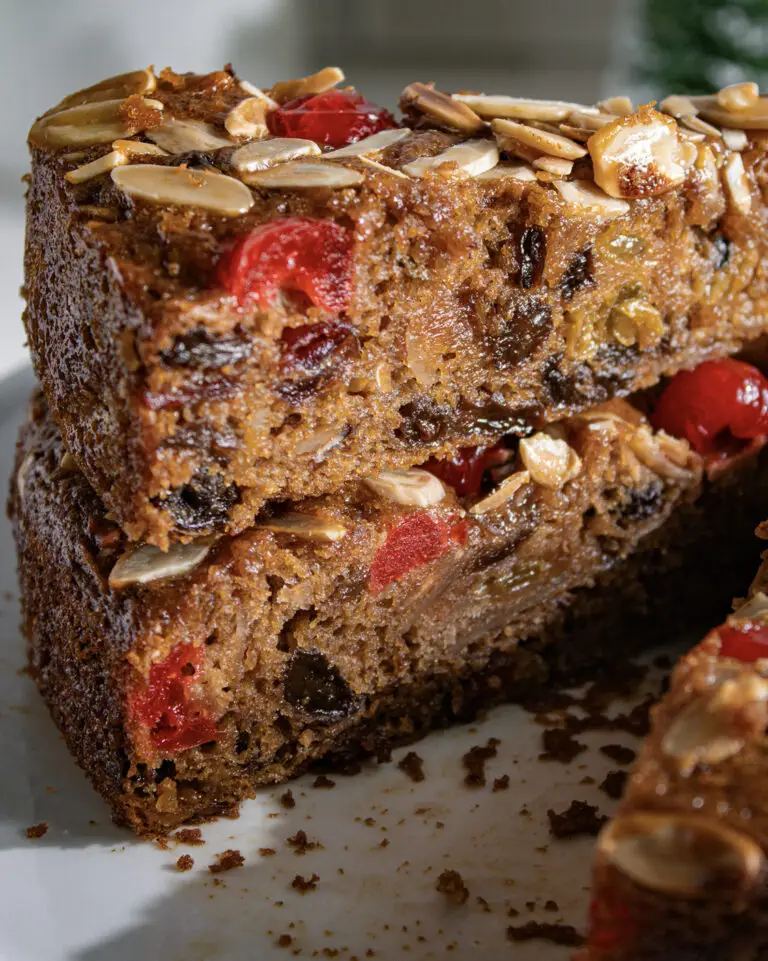
This Christmas Fruit Cake is a festive holiday classic made without eggs and packed with dried fruits, crunchy nuts, and warm spices. The dried fruits are soaked for 24 hours in rum, brandy, or orange juice, giving the cake a wonderfully rich flavor and a moist, tender texture.
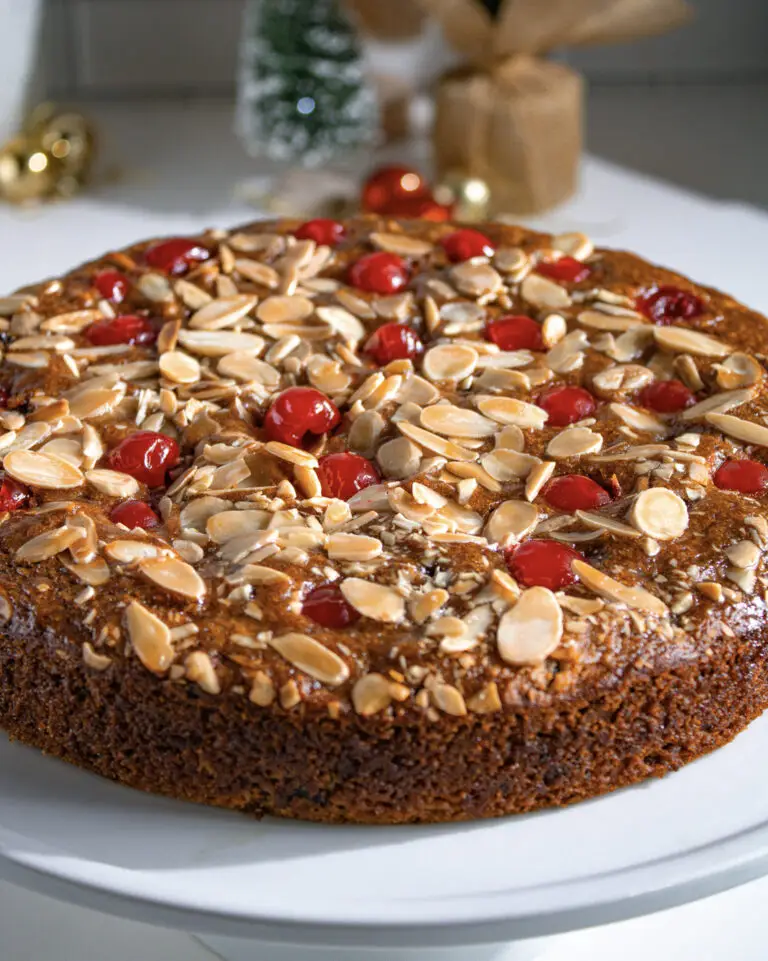
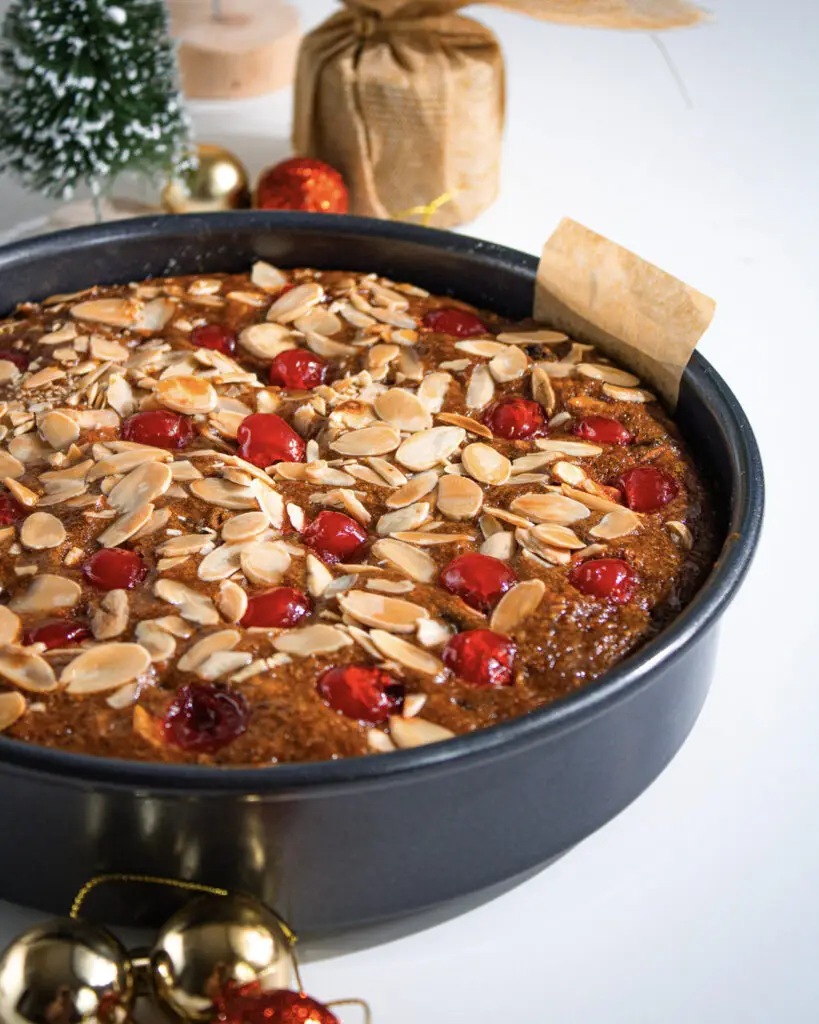
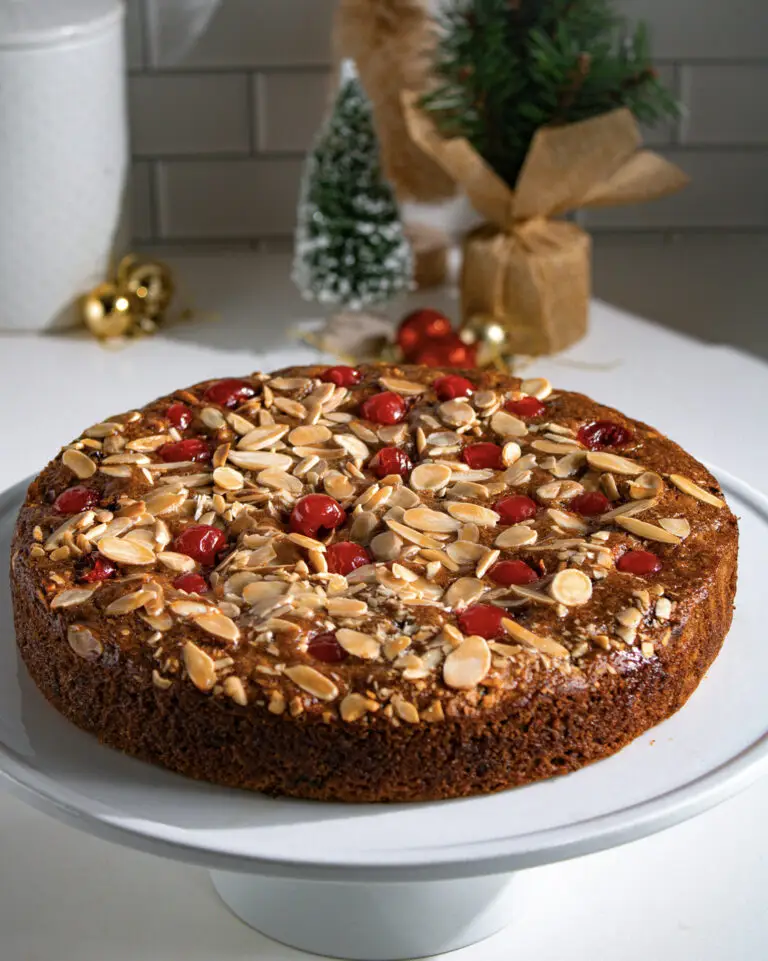
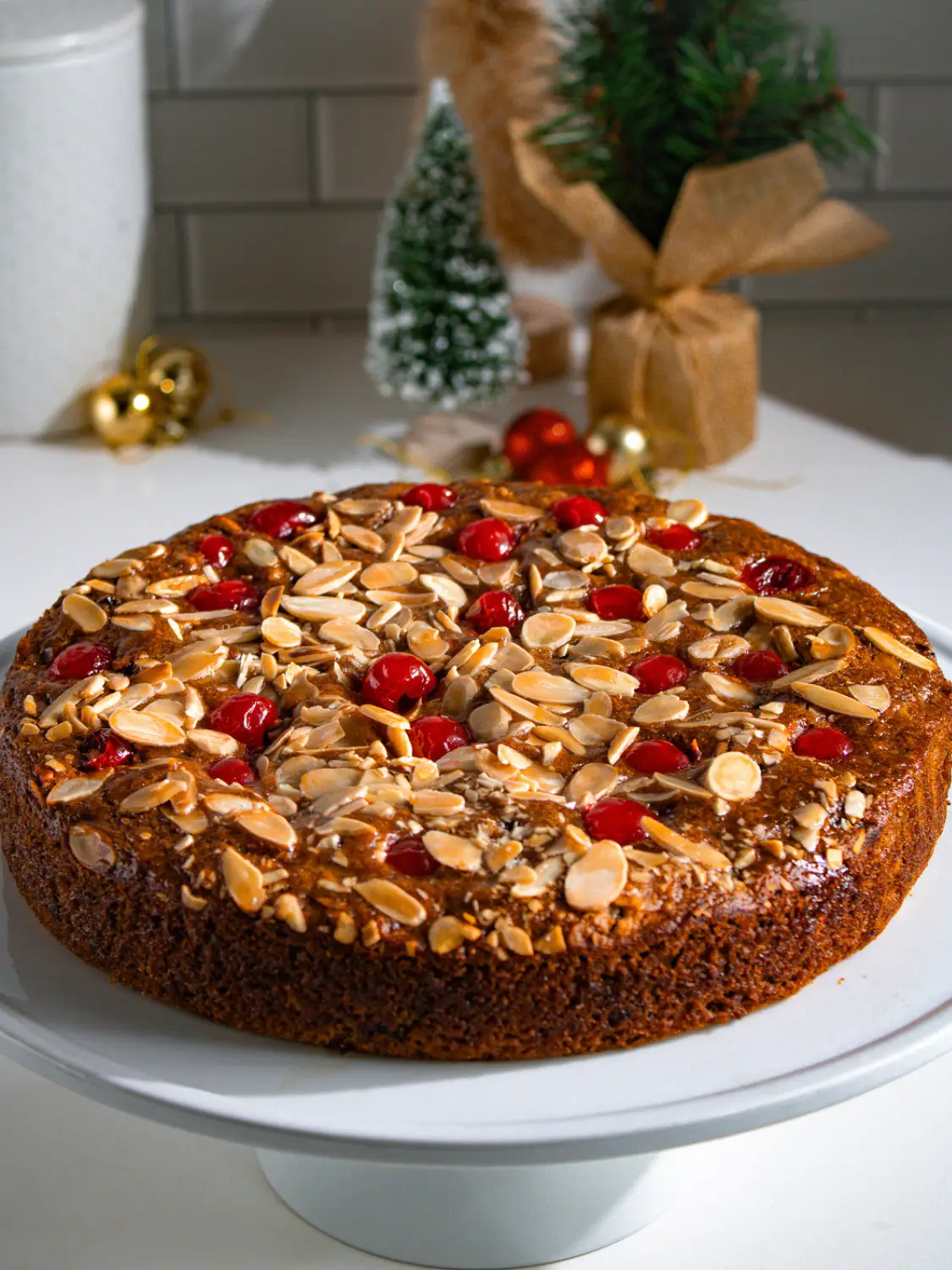
I love making this cake during the holiday season. The combination of plump dried fruits, orange zest, cinnamon, nutmeg, and molasses gives it that familiar Christmas flavor, while the sliced almonds and cherries on top make it look extra special.
The best part is that you can customize it to suit your preferences. Use rum or brandy for a more traditional fruit cake, or choose orange juice for an alcohol-free version. The recipe is naturally eggless and can also be made dairy-free using plant-based milk.
Why You’ll Love This Christmas Fruit Cake
Eggless Christmas cake: This recipe is made without eggs but still has a moist, tender crumb.
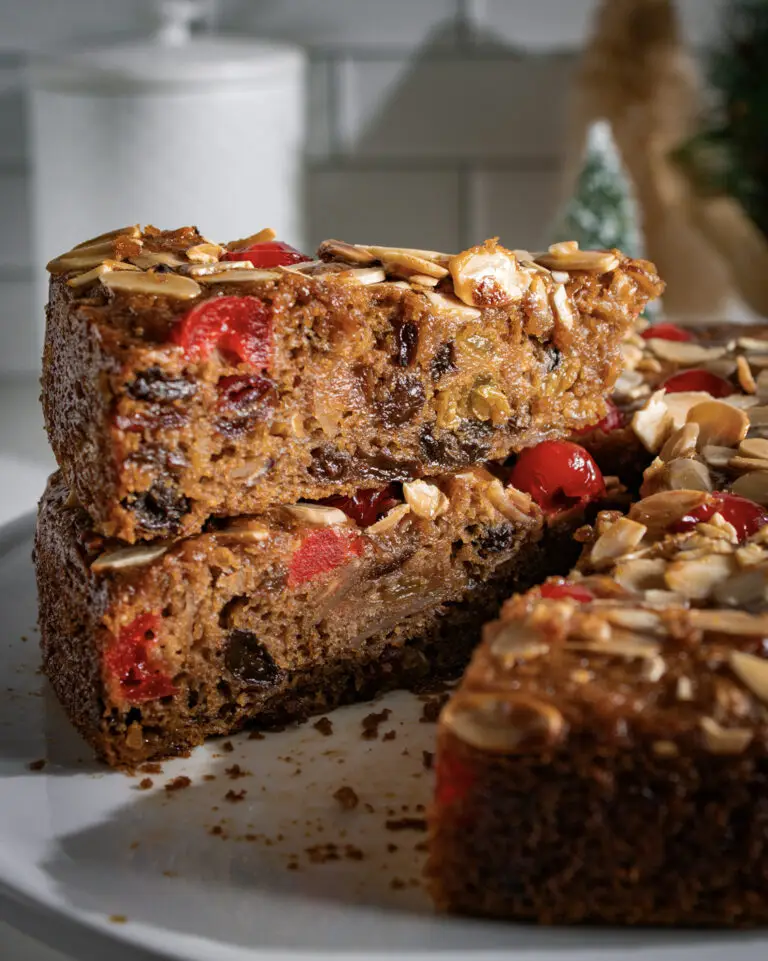
Rich with dried fruits and nuts: Every slice is packed with raisins, currants, cranberries, dates, cherries, and almonds.
24-hour fruit soak: Soaking the fruits gives them time to absorb the liquid and develop a fuller flavor.
Alcohol-free option: Use freshly squeezed orange juice instead of rum or brandy.
Dairy-free option: Substitute the milk with your favorite unsweetened plant-based milk.
Perfect for holiday gifting: The cake looks beautiful decorated with cherries and sliced almonds.
What Is Christmas Fruit Cake?
Christmas fruit cake is a traditional holiday cake made with dried or candied fruits, nuts, and warming spices. Many traditional recipes use rum or brandy to soak the fruit, giving the cake a distinctive flavor.
Fruit cake recipes vary around the world. Some are dense and rich, while others have a softer, more cake-like texture. This version is an eggless fruit cake with a tender crumb, a generous amount of soaked dried fruits, and warm spices.
You may also hear it called Christmas cake or Christmas plum cake. The name plum cake is commonly used for fruit cakes in parts of the world, even when the recipe doesn’t contain fresh plums.
Ingredients for Christmas Fruit Cake
This cake uses simple baking ingredients along with a generous mixture of dried fruits and nuts.
24-Hour Fruit Soak
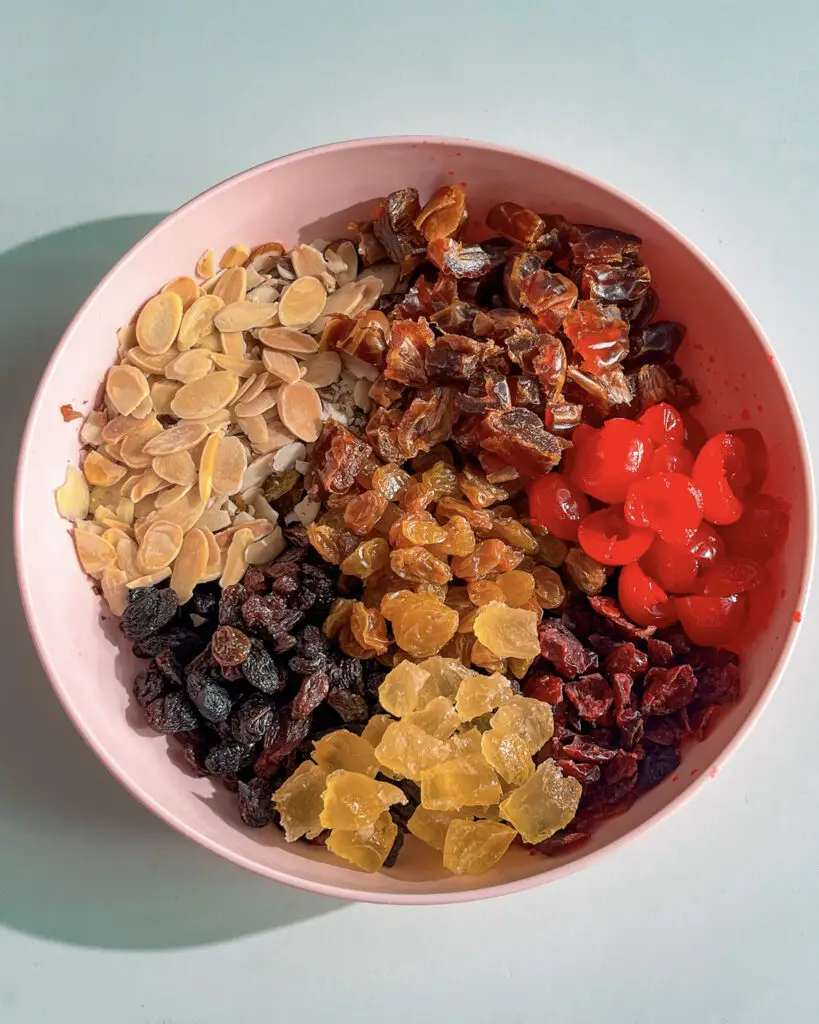
Golden Raisins: Add sweetness and a soft, chewy texture.
Dried Currants: Provide a slightly tart flavor and traditional fruit cake texture.
Dried Cranberries: Add a little tartness to balance the sweeter dried fruits.
Dates or Prunes: Naturally sweeten the mixture and add moisture.
Maraschino Cherries: Bring sweetness and festive color.
Sliced Almonds: Add a pleasant crunch and nutty flavor.
Candied Orange Peel: Adds a concentrated citrus flavor that pairs beautifully with the spices.
Rum, Brandy, or Orange Juice: Plumps up the dried fruits and adds flavor. Use orange juice for an alcohol-free Christmas fruit cake.
Cake Batter
All-Purpose Flour: Provides structure to the cake and helps coat the soaked fruits.
Light Brown Sugar: Adds sweetness and a deeper caramel-like flavor.
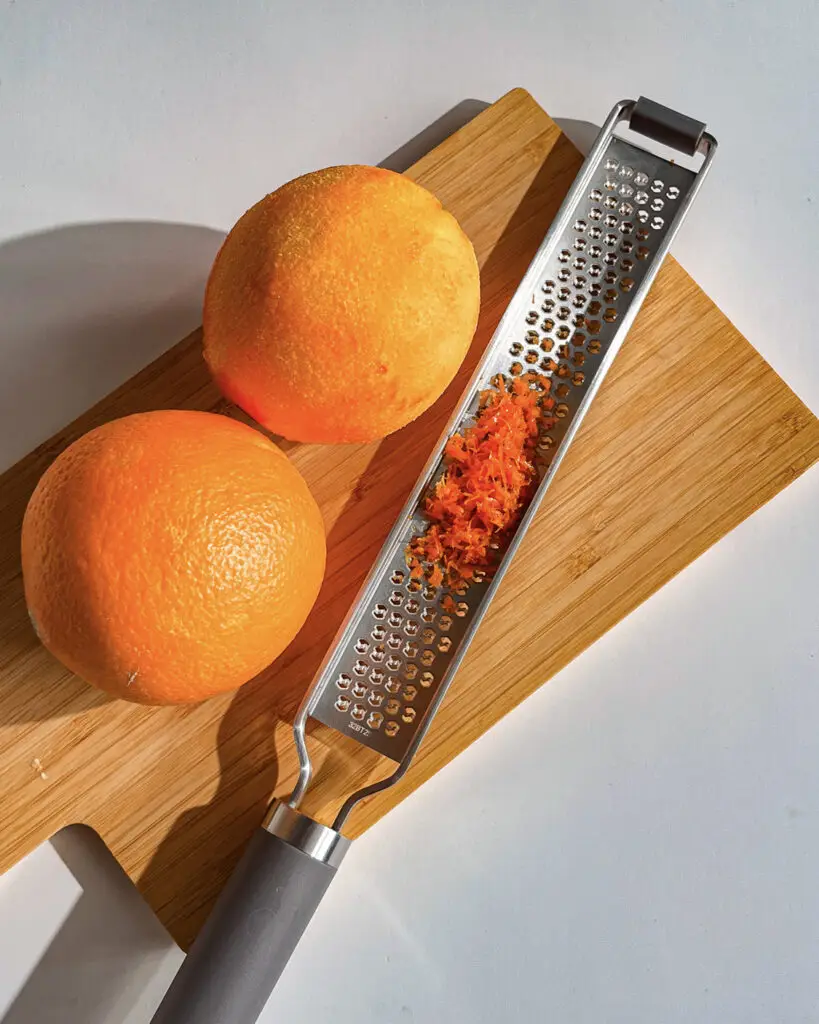
Orange Zest: Brings freshness and complements the dried fruits.
Milk: Adds moisture and brings the batter together. Use unsweetened plant-based milk for a dairy-free version.
Molasses: Adds a rich, deep flavor and gives the cake its darker color. You can also use dark brown sugar or jaggery powder as alternatives.
Vanilla Extract: Enhances the flavor of the cake.
Neutral Oil: Helps keep the cake moist and tender.
Baking Soda: Helps the cake rise.
Ground Cinnamon, Nutmeg, and Ginger: Create the warm, aromatic flavor associated with holiday baking.
Salt: Balances the sweetness and enhances the other flavors.
Topping
Glacé or Maraschino Cherries: Add a festive pop of color.
Sliced Almonds: Give the cake a beautiful finish and a little crunch.
Maple Syrup: Brushed over the cooled cake for a light glaze. You can also use rum or brandy if you prefer.
How to Make Christmas Fruit Cake
Soak the Dried Fruits
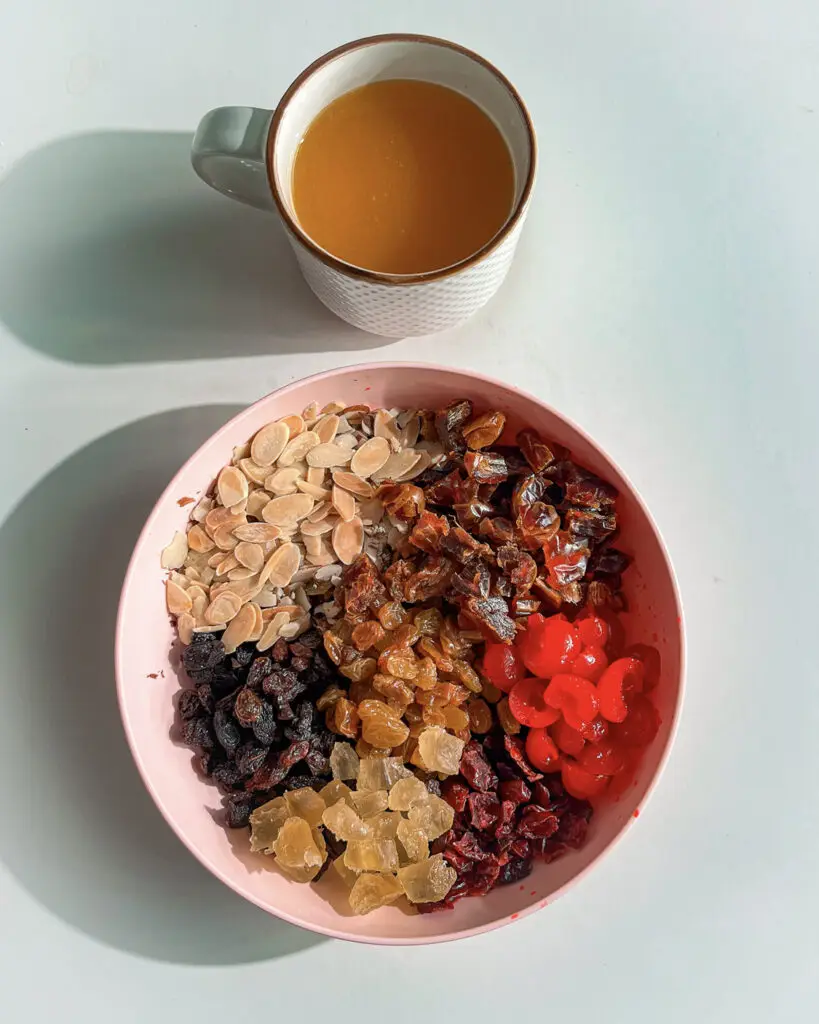
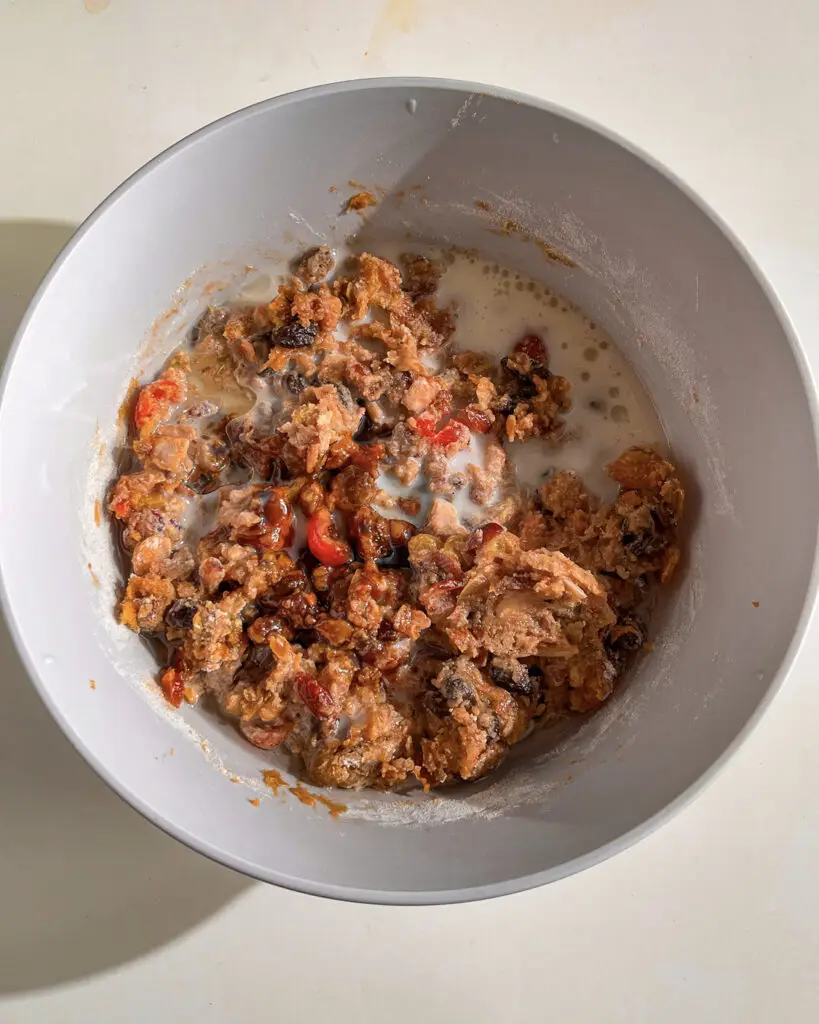
One day before baking, combine the golden raisins, currants, cranberries, chopped dates or prunes, maraschino cherries, toasted sliced almonds, and candied orange peel in a large bowl.
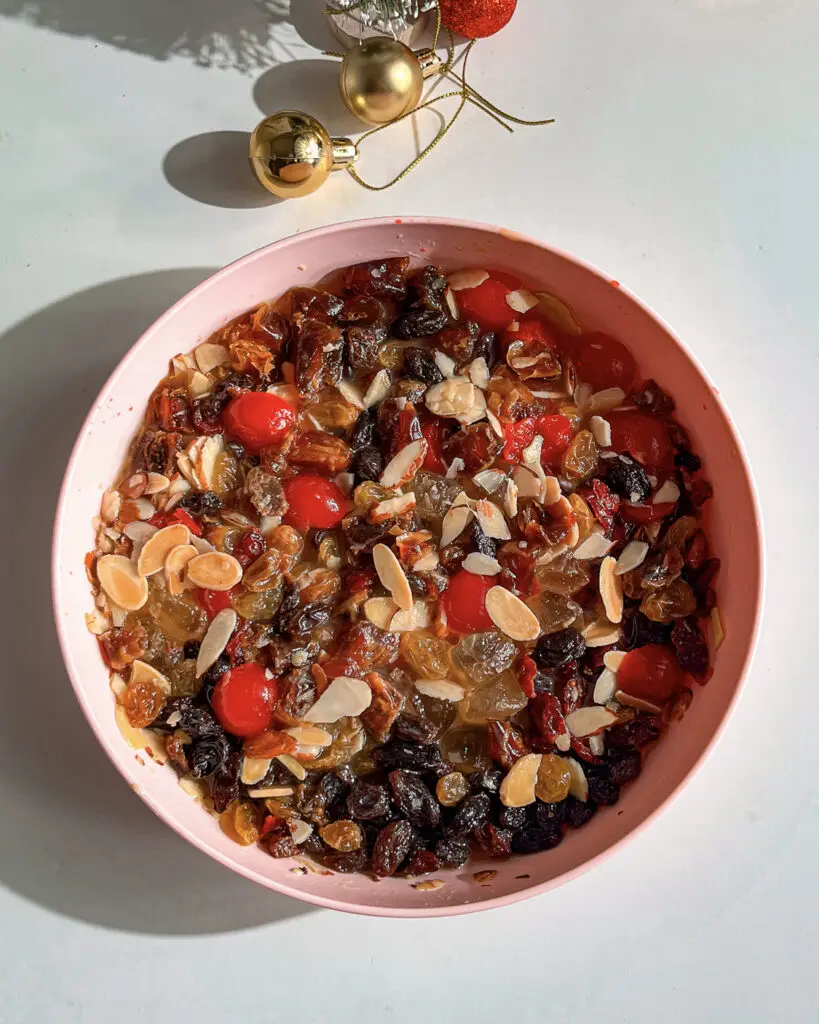
Warm the rum, brandy, or freshly squeezed orange juice and pour it over the fruit mixture. Stir to coat everything evenly.
Cover the bowl and let the mixture soak for at least 24 hours. Refrigerate the orange juice version while it soaks. The fruit should absorb much of the liquid and become plump and flavorful.
Prepare the Cake Batter
When you’re ready to bake, preheat your oven to 350°F (175°C). Grease and line an 8-inch (20 cm) round cake pan with parchment paper.
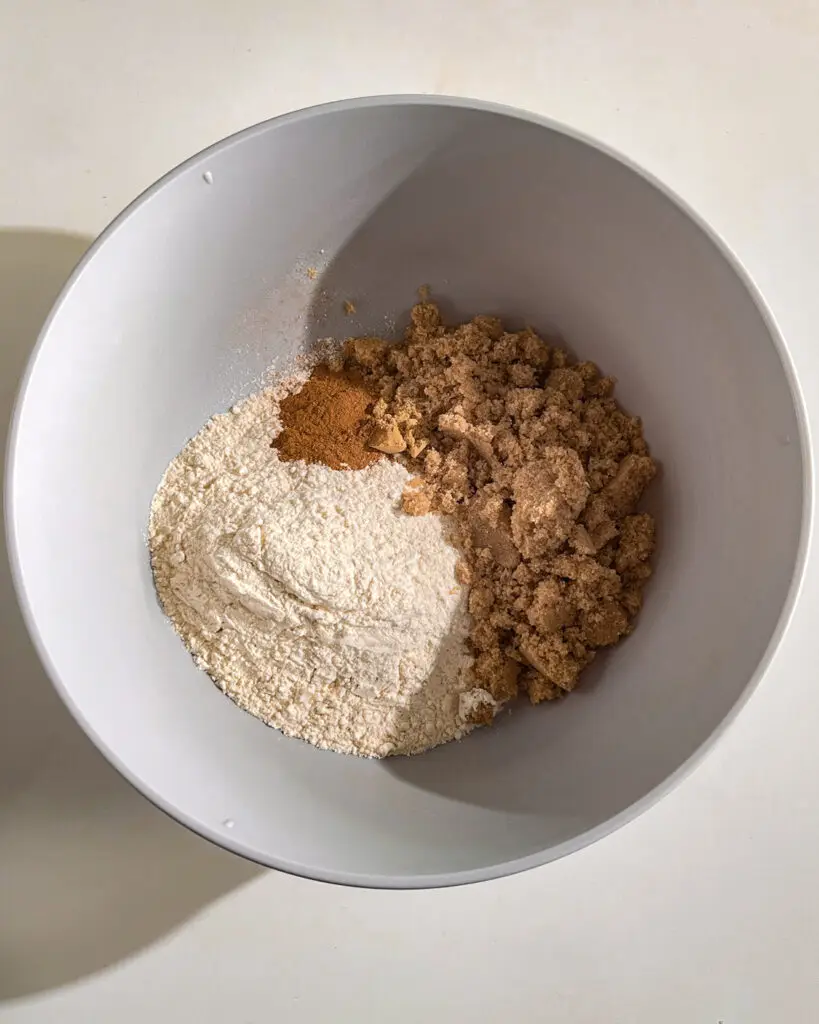
In a large bowl, whisk together the all-purpose flour, cinnamon, nutmeg, ginger, and salt. Add the light brown sugar and orange zest, mixing until combined.
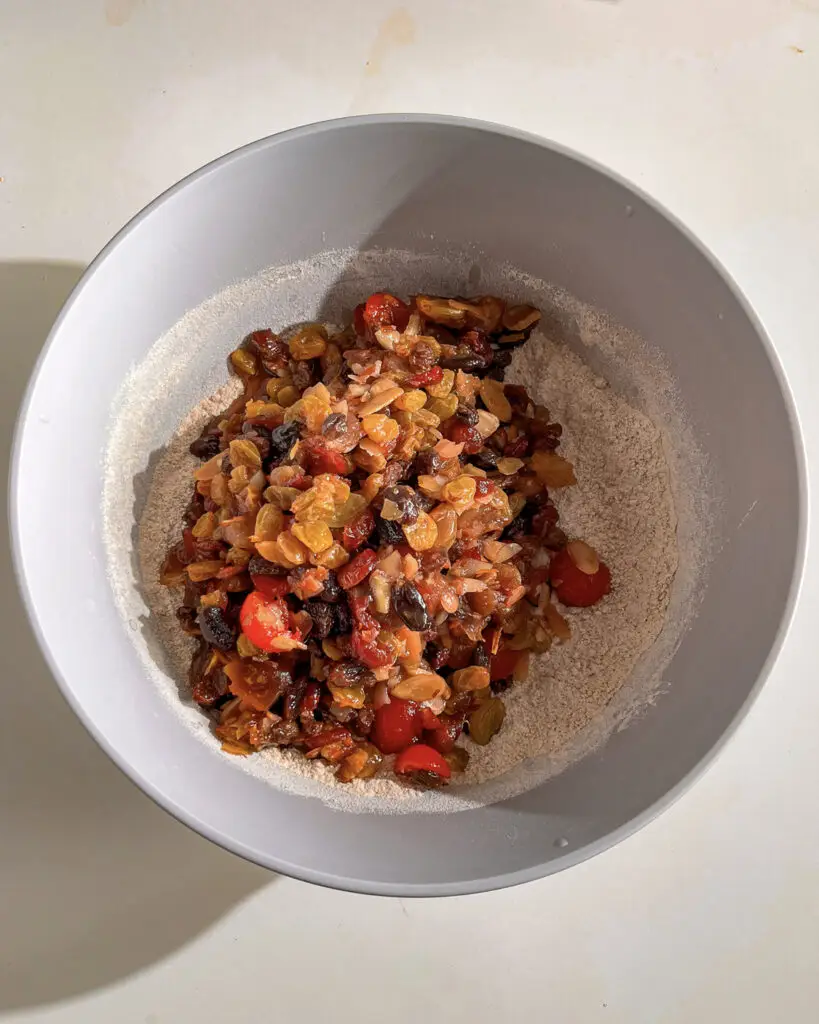
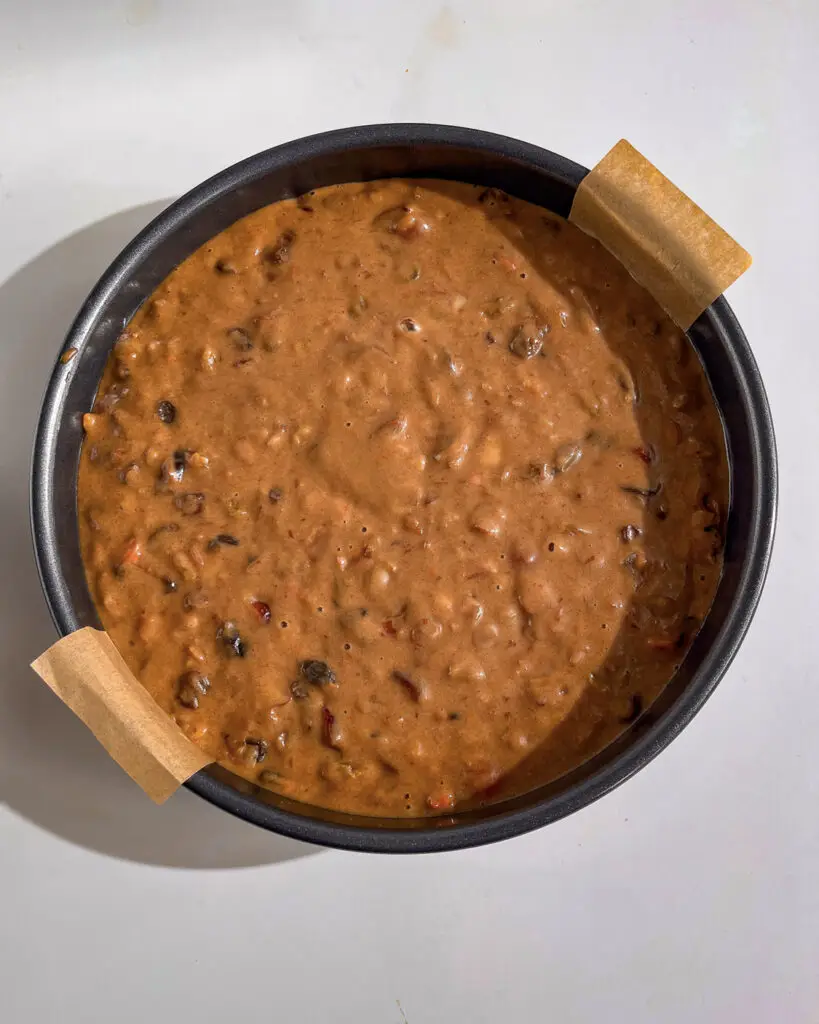
Add the soaked fruit and nut mixture to the dry ingredients. Gently fold everything together so the fruit is evenly coated in flour. In a separate bowl, combine the oil, molasses, and vanilla extract. Stir until smooth.
Mix the baking soda into the milk. It may foam slightly. Add the milk mixture to the wet ingredients, then pour everything into the dry ingredients. Stir gently until you have a thick, evenly mixed batter. Avoid overmixing.
Assemble and Decorate
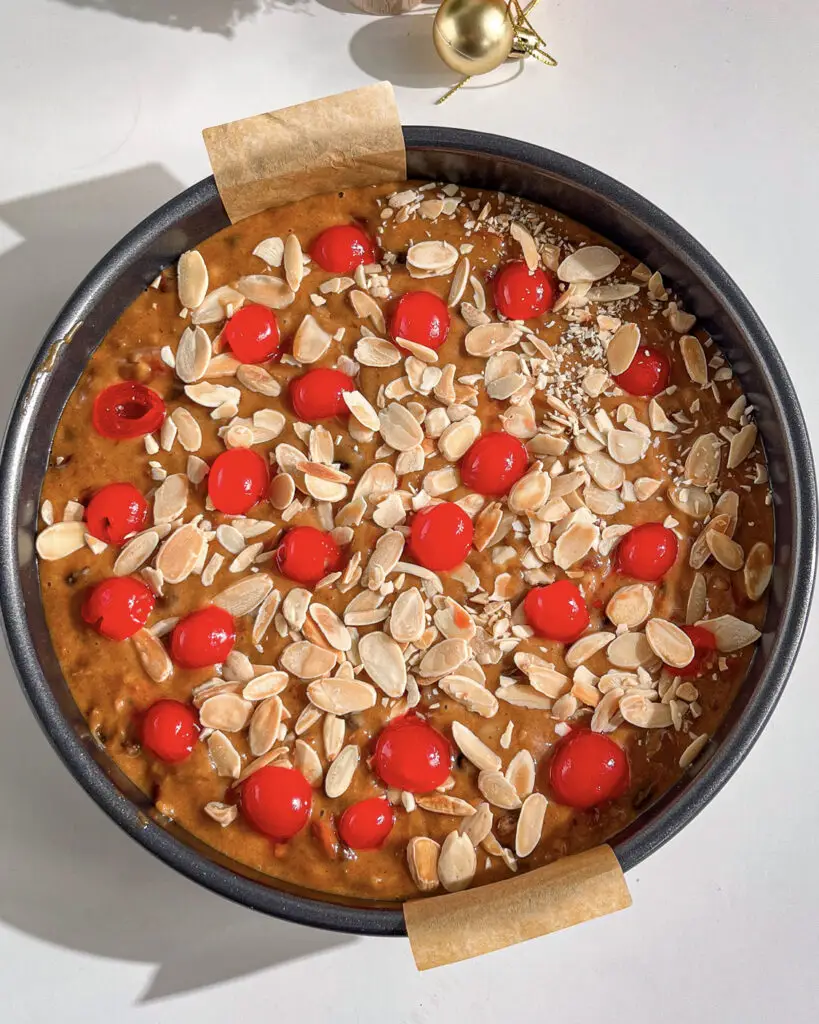
Transfer the batter to your prepared cake pan and spread it evenly. Arrange the sliced almonds and cherries over the top. You can create a simple pattern or scatter them across the surface for a festive finish.
Bake the Christmas Fruit Cake
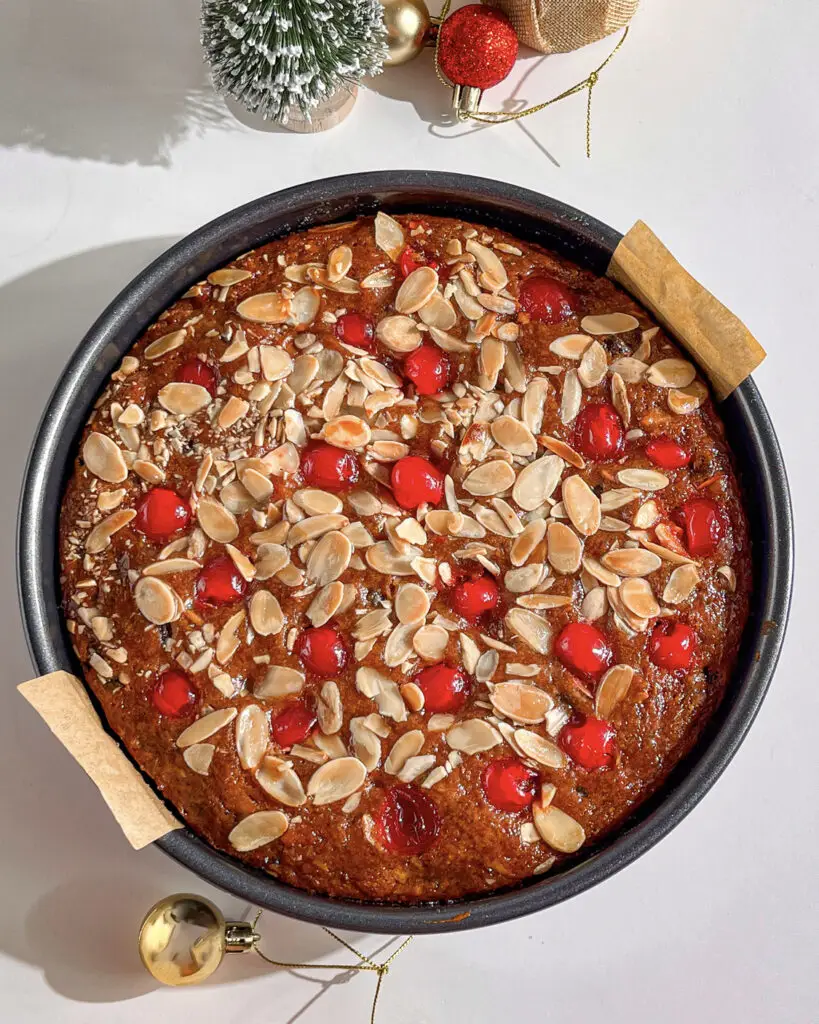
Bake at 350°F (175°C) for approximately 40–50 minutes, or until a skewer inserted into the center comes out clean.
The baking time may vary depending on your oven and pan. If the top is browning too quickly before the center is baked, loosely cover it with foil and continue baking.
Allow the cake to cool completely in the pan before removing it. This helps the cake set and reduces the chance of it breaking.
Once cooled, brush the top with rum, brandy, or maple syrup for extra flavor and a light glaze.
Tips for Making the Best Christmas Fruit Cake
Soak the fruits in advance: Give the dried fruits at least 24 hours to absorb the liquid. This makes a difference in the flavor and texture of the finished cake.
Use good-quality dried fruits: Fresh, plump dried fruits give the cake a better texture. Avoid fruits that are overly dry or stale.
Warm the soaking liquid: Slightly warming the rum, brandy, or orange juice helps the liquid coat the dried fruits.
Coat the fruits with flour: Folding the soaked fruits into the flour mixture helps distribute them throughout the cake.
Don’t overmix the batter: Mix just until everything is combined to keep the cake tender.
Prepare your pan properly: Line the bottom and sides with parchment paper to make removing the cake easier.
Allow the cake to cool completely: Don’t rush this step. The cake is delicate while warm and needs time to set.
Rest before slicing: Letting the cake rest overnight helps the flavors come together.
How to Store Christmas Fruit Cake
Allow the cake to cool completely before storing it. Keep the cake in an airtight container in the refrigerator for up to one week. This is especially important for the alcohol-free orange juice version.
You can also freeze the cooled cake. Wrap it tightly in plastic wrap and a layer of aluminum foil, then freeze for up to 2–3 months. Thaw it in the refrigerator before serving.
For the best texture, allow refrigerated slices to sit at room temperature briefly before serving.
Christmas Fruit Cake Frequently Asked Questions
Watch This Video For Making This Christmas Fruit Cake
Tips for Making the Best Christmas Fruit Cake
Soak the fruits in advance: Give the dried fruits at least 24 hours to absorb the liquid. This makes a difference in the flavor and texture of the finished cake.
Use good-quality dried fruits: Fresh, plump dried fruits give the cake a better texture. Avoid fruits that are overly dry or stale.
Warm the soaking liquid: Slightly warming the rum, brandy, or orange juice helps the liquid coat the dried fruits.
Coat the fruits with flour: Folding the soaked fruits into the flour mixture helps distribute them throughout the cake.
Don’t overmix the batter: Mix just until everything is combined to keep the cake tender.
Prepare your pan properly: Line the bottom and sides with parchment paper to make removing the cake easier.
Allow the cake to cool completely: Don’t rush this step. The cake is delicate while warm and needs time to set.
Rest before slicing: Letting the cake rest overnight helps the flavors come together.
Did You Make This Christmas Fruit Cake?
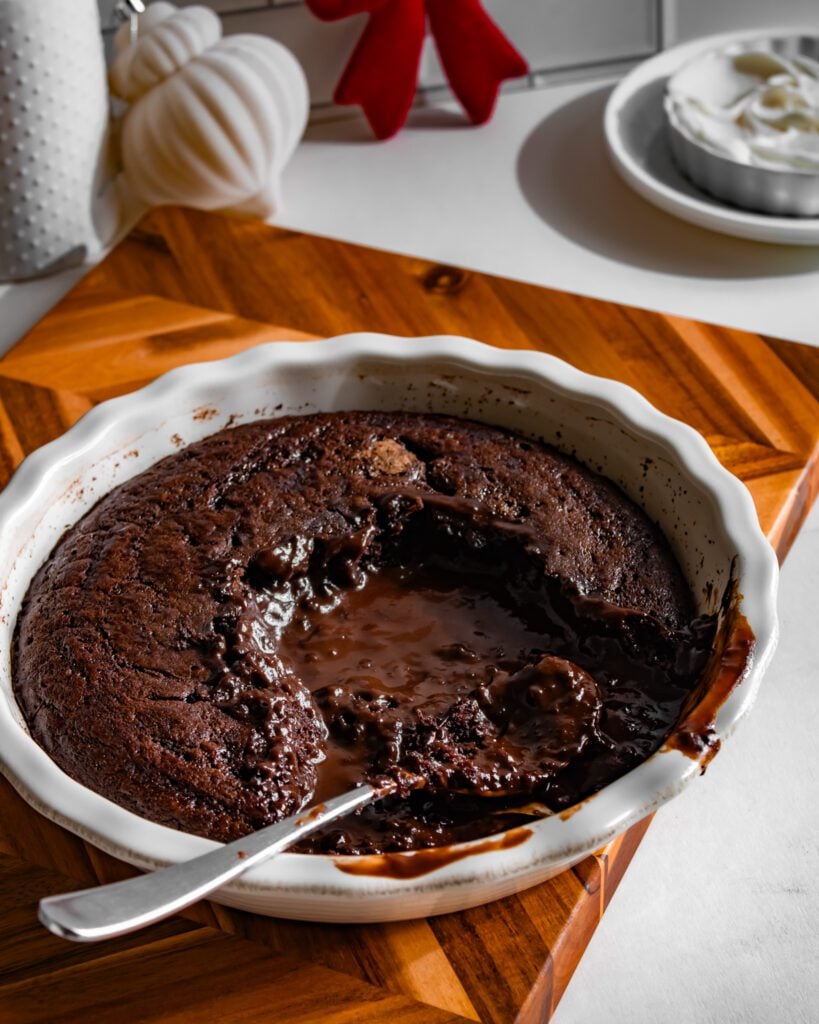
Don’t forget to leave a rating and review below and check out these festive recipes next for your holiday gathering!







10 Responses
Hi Saloni,
can I use the leftover orange juice to make the cake batter by reducing milk? If so, then with what else can i add baking soda to?
Hi Supreetha,
You can swap half the milk with orange juice. Just keep the total liquid the same and add about ¼ tsp baking soda to balance the acidity from the OJ.Let us know if you try. Happy Baking.
Good evening ma’am! Should I want to reduce on the sugar, how much less can I reduce it to?
Hi
You can reduce the sugar to 85grams if you prefer it with less sugar.
How to make molasses
Hi Lakshmi
Molasses is typically a store bought ingredient. If you can’t find it then you can substitute it with dark brown sugar / jaggery powder / Maple syrup or even Honey.
Best,
Saloni
Hello,
Can the Milk be substituted with Buttermilk? Will that alter the combination with other ingredients?
Thanks
Neha
Hi Neha
yes buttermilk should work in this recipe.
Eccellente 🔝🔝
Hi Anna,
Thank you!!